Did you just come back from a festival?

-
Did you just come back from a festival? Are your glowy clothes dirty and stinky as fuck? Let’s talk about washing clothes with LEDs in them!
 And first, I’m gonna trigger people with this real actual photo of me fully submersing an LED jacket and scarf made by the immaculate @geekmomprojects in a washing machine. Please make my day and enter gasps and horrified comments below.
-
Some background - way before I had a failing electronics business, I had a failing naturally-hand-dyed yarn business. I dyed a lot of custom-spun non-washable lofty wool that would absolutely felt if handled wrong. Part of dyeing is washing out the excess dye, and I learned how to do what is essentially a hand-washing process in a top-loading washing machine. (This is also why I will never own a side-loader.)
-
At this point - if you’re a crocheter or knitter and are already familiar with hand-washing your FOs, you pretty much just do what you’d normally do, just take the batteries out first and don’t use soap with lanolin in it. :) There are a few more details to be aware of (keep reading), but the process is the same. But let me start at the beginning - I’ll go over using a top-loader and using just a bin to hand wash your precious glowy things.
-
First - take out the batteries. This is the most important step. Many circuit boards go thru a washing process after they are assembled, it is really no big deal to get unpowered circuit boards wet. And just wait a sec you “well akshually” mofos, I’m about to do the caveats. Components with holes in them like microphones, buzzers, and ambient pressure sensors are not OK to get wet. You can cover holes with kapton tape, or better yet, remove the entire circuit board they are on.
-
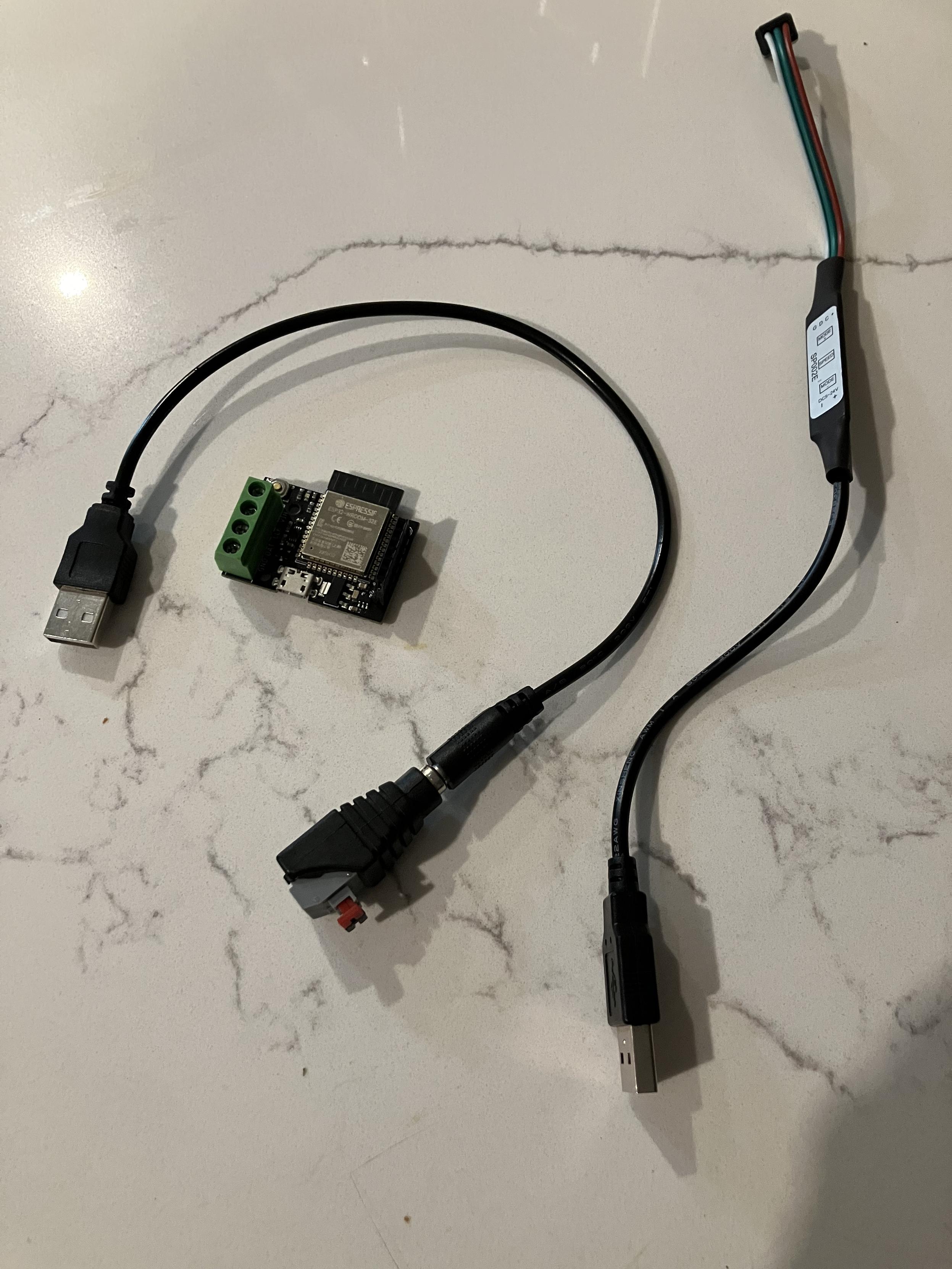
Even if you board doesn’t have those things on it, If your microcontroller is easily removable, you might as well take it out too. Sometimes connectors can retain water, and while this is easily taken care of with some canned air spray to blow out anything lingering, if you forget that step you might be sad later.
-
Ok, so you’ve got your batteries out, any boards you can remove, and now you’re basically left with strands of LEDs sewn into your garment. Great! Fill up a bin of warm (not hot) water. Next put some mild laundry soap in it, preferably the kind that doesn’t require full rinsing where residual soap doesn’t leave a residue. Swish the soap in the water around a bit, enough to mix but not enough to get super sudsy.
-
Fully submerge your garment in the water. Gently hand-scrub any areas that are particularly dirty or stinky, like those armpits. Leave it there to soak for 15-20 mins. If you used a gentle soap for handwashing, you may not need to rinse it. But you can rinse under running water if you want to.
-
Then take some towels, and gently roll your garment between the towels and gently press to squeeze out water. Don’t be too aggressive and you know where your garment may have weak points, but pebble or seed-style LED strands that have ribbon cable between LEDs will survive this. Wire fairy light strands may need extra caution.
-
Hang to dry, and try to gently shake/fluff your stuff as it dries, especially for furry things. Reassemble, test, and you’re ready for your next festival or night out!
-
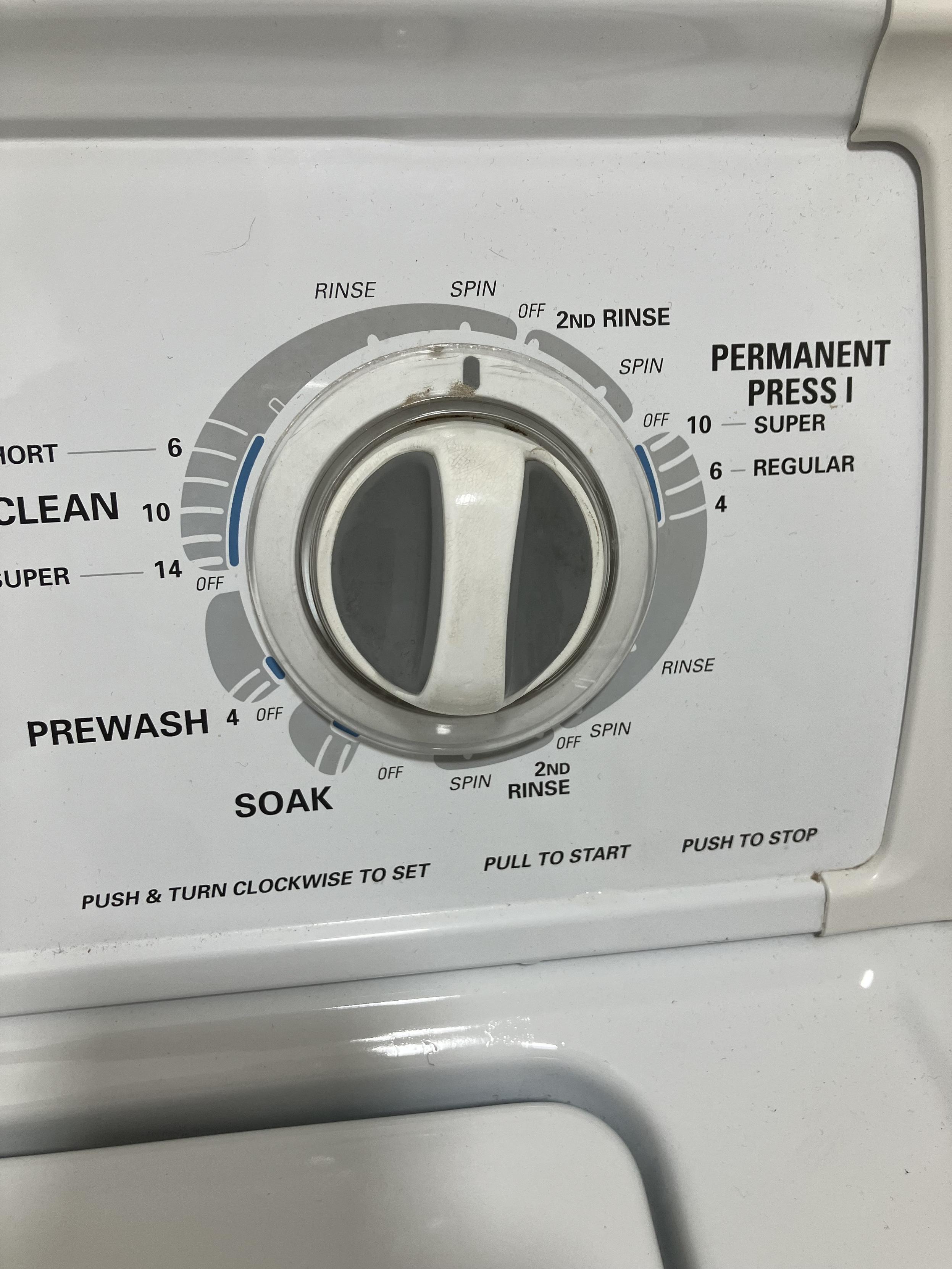
If you have a top-loading washer, it makes this even easier. Instead of using a bin, you fill the machine with water and gently swish soap around AFTER it’s done filling, like the above. Make sure your machine is paused, some won’t go to the agitation cycle with the lid open, some will! If yours has a stupid lid lock, just unscrew it and leave it permanently in the lock hole.
-
After your clothes have soaked for 15-20, set your machine to the spin cycle. Bypassed the entire wash cycle, this will just spin the water out without agitation. Spinning removes a lot more water than squeezing with towels, if you have a spin dryer, this will also work. Then hang your stuff to dry fully. Consider using canned air to blow out any nooks and crannies where water might be lingering before you reconnect everything and power it back up.
-
Why not use a side loader? It’s impossible to soak clothes in water and it’s impossible to avoid agitation of your clothes flipping around due to gravity. I don’t know if you can just use them to spin out water (using a bin to do the main washing), if they cycle up fast enough without flopping around and let you actually go to JUST a spin cycle, maybe. It’s back and forth flexing that’s rough on wires and solder joints, so that’s what you want to avoid.
-
@alpenglow all of my side loaders (in the EU, and top loaders are somewhat of a niche item here) have always had a spin cycle that does just the spinning at any one of the speeds the machine is capable of (my current one has 400, 600, 800, 1000 and 1200 rpm).
On some machines it may do a bit of flopping if the load is unbalanced, I'd have to test it to see how much of it it would be.
I believe that there is also some kind of soak function, but I don't think I've ever used it, and I don't know whether there is some potentially harmful movement.

